How a General Dentist Helps Protect Your Oral Health

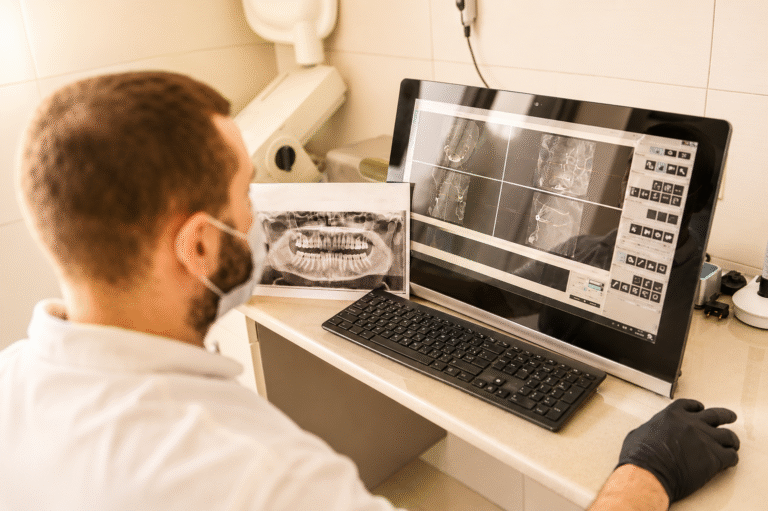
A healthy mouth rarely stays healthy by accident. Most people keep up with brushing, try to floss more often than they actually do, and book a dental appointment when something starts to hurt. That approach is understandable, but it misses the real value of routine dental care. A general dentist does far more than clean teeth and fill cavities. This is the clinician who watches for early disease, tracks subtle changes over time, and helps prevent small problems from turning into expensive, uncomfortable ones.
In practice, oral health protection is usually less about dramatic treatment and more about steady oversight. The patients who keep their natural teeth longest are often not the ones who have never had trouble. They are the ones whose trouble was caught early, managed well, and monitored consistently. That is where a general dentist becomes central. Prevention, diagnosis, maintenance, repair, and referral all pass through this one relationship.
For many families, the general dentist is the first and most frequent point of contact in dental care. Children come in for sealants and fluoride. Adults need cavity checks, gum evaluations, worn fillings replaced, and guidance on grinding, dry mouth, or sensitivity. Older adults may need help balancing crowns, bridgework, medications, and gum recession. Across every age group, the role stays the same at its core: protect function, reduce risk, and preserve oral health for the long term.
Oral health is broader than teeth alone
When people think about dental health, they often focus on whether their teeth look white and feel clean. A general dentist has to think much more broadly. The mouth includes gums, bone, bite alignment, tongue, cheeks, salivary flow, and the health of existing dental work. A problem in any of these areas can affect comfort, nutrition, speech, sleep, and confidence.
Take gum disease as an example. It often begins quietly. A patient may notice a little bleeding while brushing and assume they are brushing too hard. In many cases, that bleeding is one of the first signs of inflammation. Left alone, mild gingivitis can progress to deeper periodontal issues that weaken the support around the teeth. By the time a tooth feels loose, the disease process has usually been active for quite a while. A general dentist looks for those earlier signals, long before a patient would necessarily recognize them as serious.
The same goes for tooth wear. Many adults assume flattening teeth or small enamel cracks are just a normal part of aging. Sometimes they are age-related, but often they point to grinding, clenching, acid erosion, or an unstable bite. These changes can be subtle at first. An experienced clinician can compare what they see today with prior exams, x-rays, photographs, or impressions and spot a pattern that would otherwise go unnoticed.
Prevention is the part patients do not always see
One of the most important ways a general dentist protects oral health is by preventing disease before it requires major treatment. That may sound simple, but real prevention involves much more than reminding someone to floss.
A routine visit gives the dentist a chance to assess risk. Two patients can brush with the same frequency and still face very different dental futures. One may have deep grooves in the molars, reduced saliva from medication, and a history of frequent decay. Another may have low cavity risk but signs of aggressive clenching. Prevention has to fit the person in the chair, not a generic checklist.
For a child, prevention may center on fluoride treatments, sealants, and coaching parents on brushing habits and snack patterns. For a young adult with orthodontic retainers, it may mean managing plaque traps and watching for demineralization around old bracket sites. For a middle-aged patient with a stressful job and morning jaw soreness, it may mean identifying night grinding before it fractures a molar. For an older adult taking several prescriptions, it may mean addressing dry mouth before root cavities begin.
A good general dentist also knows that prevention works best when advice is practical. Telling a patient to “avoid sugar” is too vague to be useful. Explaining that frequent sipping of sweetened coffee during a three-hour commute is harder on teeth than having it once with breakfast is more helpful. Advising a patient to wait about 30 minutes to brush after vomiting or after an acidic drink, rather than scrubbing softened enamel immediately, is the kind of detail that changes outcomes.
Early diagnosis changes everything
Dental problems are easier, cheaper, and less invasive to treat when they are found early. That is not a slogan. It is the reality of day-to-day care.
A tiny area of decay caught between teeth may need a conservative filling. The same area, if left undetected, can expand into the nerve space and require root canal treatment and a crown. A cracked filling replaced at the right time can prevent a much larger fracture that compromises the entire tooth. Mild gum inflammation can often be reversed, while advanced periodontal destruction may only be controlled, not fully restored.
This is one reason regular examinations matter even when nothing hurts. Pain is a late sign in dentistry. Many serious issues are silent in the beginning. Small cavities, bone loss, grinding damage, leaking restorations, and even some infections may cause no symptoms until they are well established.
During an exam, a general dentist is not simply searching for holes in teeth. The clinician is evaluating contact points, checking old dental work, palpating tissues, measuring gum pockets when needed, reviewing x-rays, and asking questions that reveal patterns. Does cold linger after the drink is gone? Has chewing shifted to one side? Is the patient waking with headaches? Has a crown started catching floss? Those small details often direct the diagnosis.
There is a clear difference between treating a tooth and managing a mouth. A strong general dentist does the second. The concern is not just whether one filling needs replacement, but why it failed, what adjacent teeth are doing, and whether the pattern suggests a broader risk.
Professional cleanings do more than polish the surface
Many patients see dental cleanings as cosmetic maintenance. They leave with smoother teeth, fresher breath, and the feeling that things have been reset. That is part of the benefit, but not the whole story.
Plaque is soft and removable with daily home care. Once it hardens into calculus, or tartar, it cannot be brushed away effectively at home. Calculus creates a rough surface that holds more plaque and contributes to gum inflammation. Professional cleanings remove those deposits from areas patients often miss, especially near the gumline and behind lower front teeth.
The appointment also creates a recurring checkpoint. Hygienists and general dentists notice changes patients have adapted to and stopped seeing. That might be new recession, a chipped edge, inflamed tissue around a crown, a suspicious dark groove, or increasing buildup that signals a change in home care or diet. Sometimes a patient will say, “It’s always bled there,” as if that makes it normal. It does not. Repeated bleeding is useful clinical information.
For patients with gum disease or a history of it, maintenance visits may need to occur more often than every six months. That is not upselling when it is recommended appropriately. Some mouths accumulate plaque and inflammation faster, especially when anatomy, past bone loss, diabetes, smoking, or limited dexterity complicate home care. Frequency should match risk.
Restorative treatment protects structure, not just appearance
When a cavity or fracture is found, treatment is not only about fixing what is visible. It is about preserving as much healthy tooth structure as possible while restoring function and reducing the chance of future breakdown.
A simple filling can be the right solution when decay is modest and the remaining tooth is strong. A crown may be the better choice when a tooth is heavily restored, cracked, or weakened after root canal treatment. There is judgment involved here. Overtreatment removes more structure than necessary. Undertreatment can leave a compromised tooth vulnerable to failure. A thoughtful general dentist balances durability, tooth preservation, cost, and the patient’s long-term prognosis.
Patients do best when they understand these trade-offs. For instance, replacing a small old filling just because it is discolored may not be necessary if it is sealed and functioning well. On the other hand, a large filling with recurrent decay underneath it might look acceptable from the outside while being structurally unsound. Clinical decisions should be based on examination findings, imaging, symptoms, and risk, not guesswork.
That same practical reasoning applies to worn teeth. Not every patient with worn enamel needs extensive reconstruction. Some need a night guard, fluoride support, bite monitoring, and selective repair of the most vulnerable spots. Others have wear severe enough to threaten chewing efficiency and tooth survival. A general dentist helps distinguish between normal variation and active damage.
Gum health is a major part of what a general dentist protects
Teeth get most of the attention, but gums often determine how long those teeth last. A tooth with perfect enamel cannot remain stable if the surrounding gum and bone are deteriorating.
A general dentist screens for periodontal disease during routine care and manages many mild to moderate cases. That includes measuring pockets, evaluating bleeding, reviewing bone levels on x-rays, and recommending the appropriate level of cleaning or periodontal therapy. In more advanced cases, referral to a periodontist may be necessary. Knowing when to treat https://cristianzgar620.rivetgarden.com/posts/how-a-general-dentist-helps-with-tooth-pain and when to refer is part of good judgment.
Gum disease can be especially deceptive because it does not always cause dramatic pain. Patients may notice tenderness, bleeding, bad breath, or nothing at all. Meanwhile, chronic inflammation slowly damages the tissues that anchor the teeth. By the time teeth shift or loosen, significant attachment loss may already be present.
There is also a strong behavioral component here. A patient may brush faithfully but never clean between the teeth. Another may use a hard-bristled brush so aggressively that the gumline becomes irritated and the roots begin to show. A general dentist often spends as much time adjusting technique as providing treatment. Small changes in angle, pressure, and consistency can markedly improve gum health over a few months.
The mouth often reflects habits and health conditions
One overlooked benefit of seeing a general dentist regularly is that the appointment reveals patterns that go beyond cavities. The mouth frequently shows the effects of stress, diet, medication use, sleep issues, and systemic disease.
A patient with untreated reflux may show erosion on the inner surfaces of the teeth. Someone taking medications that reduce saliva can become cavity-prone very quickly, especially around the roots. A patient with uncontrolled diabetes may present with persistent gum inflammation or delayed healing. A person under heavy stress may crack a cusp from nighttime clenching and have no idea they are doing it.
These are not rare findings. In everyday practice, many dental conversations have little to do with drilling and much to do with pattern recognition. Sometimes the most useful thing a dentist does is connect the dots. The patient who keeps getting cavities despite “good brushing” may not realize that constant lozenges, sports drinks, or dry mouth are undermining that effort. The patient with jaw fatigue may assume it is just tension, when the real issue is an overloaded bite.
A general dentist is not a substitute for a physician, but the dentist often notices signs that prompt further evaluation. That kind of vigilance helps protect overall health as well as oral health.
Screening for oral cancer and tissue changes
Routine dental exams include inspection of the soft tissues of the mouth, even though many patients do not realize it. The tongue, cheeks, lips, palate, floor of the mouth, and throat area can show lesions, patches, ulcers, or asymmetries that need monitoring or referral.
Most unusual spots turn out to be benign, often related to irritation, cheek biting, friction, or common ulcers. Still, persistent tissue changes matter. An area that has not healed after a couple of weeks, a red or white patch that remains, or a firm lump deserves attention. Early detection improves outcomes, and routine dental visits increase the chances that something suspicious will be noticed sooner rather than later.
This is one reason self-diagnosis can be risky. Patients often dismiss a lesion because it does not hurt, or they assume a recurring sore is from stress. A general dentist brings trained observation and a baseline comparison from prior visits. Even when the finding is harmless, peace of mind has value.
Dental anxiety is part of oral health protection too
Protection is not only clinical. It is emotional and behavioral as well. A patient who avoids the dentist for years because of fear is much more likely to need extensive treatment later. A skilled general dentist understands this and adapts care accordingly.
That may mean shorter appointments, clearer explanations, topical anesthetic before injections, breaks during treatment, or a gradual plan that starts with the most urgent issue and builds trust. In many practices, anxiety management is one of the most important reasons patients finally stay consistent with care.
The difference this makes can be dramatic. Someone who has delayed treatment for a decade may arrive expecting judgment and pain. What often helps most is a calm, matter-of-fact approach: here is what we see, here is what needs attention first, and here is how we can make the process manageable. Once that patient has a few good visits, the cycle of avoidance often weakens.
What a general dentist typically watches over time
Long-term protection depends on tracking trends, not just responding to isolated problems. Over a span of years, a general dentist may monitor several issues at once:
- early decay that does not yet need restoration
- old fillings and crowns that are still serviceable but aging
- bite changes from grinding, missing teeth, or drifting
- gum recession and areas prone to root sensitivity
- soft tissue findings that need rechecking at future visits
This ongoing surveillance is one of the least visible and most valuable parts of care. Not every finding calls for immediate treatment. Sometimes the right move is to document, photograph, compare, and review again at the next appointment. Knowing when to intervene and when to watch is a hallmark of good dentistry.
When referral becomes part of good general care
A capable general dentist does not have to do everything personally to protect a patient’s oral health. In fact, one sign of a strong clinician is knowing when a specialist should be involved.
Complex root canal anatomy may require an endodontist. Advanced gum disease may need a periodontist. Impacted wisdom teeth or complicated extractions may be better handled by an oral surgeon. Significant alignment issues may call for an orthodontist. Suspicious tissue changes may require an oral medicine expert or surgeon. The general dentist remains the coordinator, helping the patient understand why the referral matters and how the pieces fit together.
Patients sometimes worry that a referral means their dentist cannot help them. Usually it means the dentist is protecting them appropriately. Dentistry is broad, and specialization exists for a reason. The best outcomes often come from thoughtful collaboration.
What patients can do to get more value from routine visits
A general dentist can only work with the information available. The quality of care improves when patients are candid, observant, and consistent. A few habits make routine care much more useful:
- mention changes, even if they seem minor, such as sensitivity, bleeding, jaw soreness, or catching floss
- bring an updated medication list, especially if dry mouth has become noticeable
- ask why a treatment is recommended and what the alternatives are
- keep recall visits as advised, particularly if you have a history of decay or gum disease
- follow home care instructions in the form that actually fits your routine
That last point matters more than people think. Perfect technique performed twice and then abandoned is less valuable than a realistic routine a patient can maintain for years. Good dentists know this. Practical consistency beats idealized advice.
The relationship matters more than a single appointment
The protective role of a general dentist builds over time. One exam can detect existing problems, but a series of visits reveals trends, verifies whether treatment is holding up, and creates continuity. The dentist learns how quickly tartar accumulates, whether recession is stable, how old crowns are aging, and whether a patient’s bite is changing year by year.
This continuity is especially valuable when life gets complicated. Pregnancy, new medications, medical diagnoses, caregiving stress, sleep disruption, and financial pressure can all affect oral health and appointment patterns. A dentist who knows the patient can tailor advice and timing more intelligently than someone seeing the chart for the first time.
There is also trust in that continuity. Patients are more likely to accept needed care, disclose symptoms honestly, and ask questions when they feel known rather than processed. That trust supports better prevention and earlier intervention, which are the two strongest tools in preserving oral health.
A general dentist protects more than teeth. The role includes preventing disease, catching subtle problems early, preserving structure, managing gum health, recognizing broader health patterns, and guiding patients through decisions that affect their mouths for years. Some of that work is visible in a polished smile or a repaired tooth. Much of it happens quietly, through careful observation and timely judgment.
That is why routine dental care matters even when your mouth seems fine. By the time a problem becomes obvious, treatment is often more involved than it needed to be. The real advantage of having a trusted general dentist is that oral health is protected before it starts to slip.
Smyle Dental Newhall
Address: 23754 Newhall Ave, Santa Clarita, CA 91321
Phone number: +16612559200
FAQ About General dentist
What does it mean by general dentist?
A general dentist is your primary dental care provider. They focus on the overall prevention, diagnosis, and treatment of your daily oral health needs. Think of them as your primary care doctor, but for your teeth and gums.
What is the difference between a dentist and a general dentist?
A dentist is a broad professional title for any licensed oral healthcare provider, while a general dentist is a specific type of primary care dentist who focuses on routine, preventive, and everyday treatments.
What is the difference between a dentistry practitioner and a dentist?
A dentist is a licensed doctoral-level healthcare professional, whereas a dental practitioner is a broader umbrella term that can include dentists as well as other trained oral health professionals.