General Dentist Santa Clarita CA Help for Protecting Your Natural Teeth
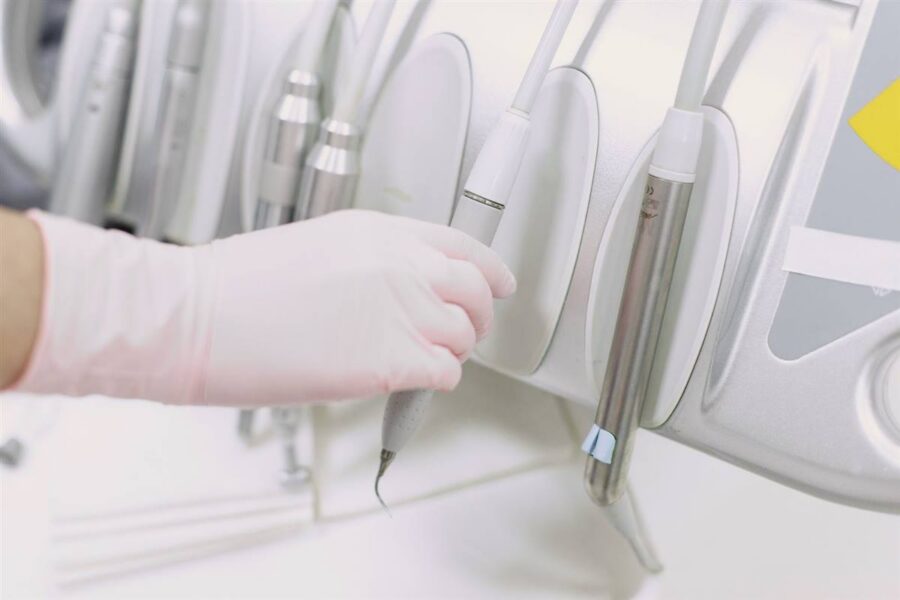
Keeping your natural teeth for life is a practical goal, not a lucky accident. In the exam room, the difference is usually not dramatic genetics or heroic brushing habits. It is steadier than that. It comes down to a handful of patterns repeated over years, regular preventive care, early treatment when small problems first show up, and good decisions after injuries, grinding, gum changes, or old dental work starts to fail.
A skilled General dentist Santa Clarita CA patients trust often spends as much time preventing tooth loss as repairing damage. That may sound simple, but it matters. Once a natural tooth is gone, every replacement option carries trade-offs. Bridges require support from neighboring teeth. Dentures restore appearance and basic function, but they do not feel the same. Implants are excellent in the right case, though they involve surgery, healing time, and cost. Saving the natural tooth whenever possible is usually the most conservative path and, in many cases, the most predictable long-term choice.
That principle guides everyday dentistry more than people realize. A routine cleaning may prevent gum disease that leads to bone loss. A filling placed early may stop a crack from spreading into the nerve. A bite adjustment on one overloaded molar may spare a patient from a broken cusp six months later. Protection is rarely flashy, but it is where many of the best outcomes begin.
Why preserving natural teeth matters
Natural teeth do more than help you chew. They maintain spacing, support speech, preserve jaw function, and transmit biting forces in a way the body already understands. The periodontal ligament around a healthy tooth gives feedback when you chew. That sensory response helps with force control and comfort. It is one reason a natural tooth, even one with a crown or root canal, can still feel more normal than a replacement.
There is also a financial reality. Restorative work tends to become more complex once a tooth is lost. A small cavity may be managed with a filling. If decay spreads, the treatment may advance to a crown. If the nerve becomes involved, root canal treatment and a crown may follow. If the tooth fractures below the gumline or infection destroys too much support, extraction and replacement enter the picture. Each step asks more of your time, comfort, and budget.
Emotion plays a role too. Patients often tell me they did not realize how much they valued a tooth until it became uncertain. The front teeth are obvious because they affect appearance. Back teeth can be just as important. Losing a first molar, for example, can gradually change chewing patterns and allow neighboring teeth to drift. Some people compensate without noticing at first, then months later report jaw soreness on one side, food trapping, or a new fracture on the opposite side from overuse.
The quiet threats that put teeth at risk
Most tooth loss is not sudden. It builds slowly in familiar ways. Cavities remain common, especially around old fillings, between teeth, and near the gumline where recession exposes softer root surfaces. Gum disease is another major cause. Unlike a cavity, which may eventually hurt, periodontal disease often progresses with little pain until support has already been lost.
Mechanical wear deserves more attention than it gets. A patient in their thirties can have teeth that look decades older if they clench heavily, grind at night, sip acidic drinks throughout the day, or chew ice. Those habits do not always cause immediate symptoms. Instead, they create a pattern of flattened edges, craze lines, chipped enamel, sensitivity, and cracked fillings. Teeth can survive a lot, but they do not heal the way skin or bone does. Every crack and wear facet is cumulative.
Dry mouth is another underappreciated factor. Saliva helps neutralize acids, wash away debris, and protect enamel. When saliva flow drops, cavity risk rises quickly. I often see this in patients taking multiple medications, especially for blood pressure, anxiety, depression, allergies, or sleep. Mouth breathing, certain autoimmune conditions, and cancer treatments can also reduce saliva. In those cases, prevention has to become more deliberate.
Diet matters, though not always in the way patients assume. The total amount of sugar matters less than the frequency of exposure. A dessert with dinner is usually less damaging than sipping a sweet coffee for three hours every morning. The teeth experience repeated acid attacks when carbohydrates feed oral bacteria over and over again. The same pattern can happen with sports drinks, flavored sparkling water, lemon in water, or constant snacking on crackers and dried fruit.
What a general dentist watches for before you feel a problem
One of the most valuable parts of routine dental visits is early detection. Patients usually notice pain, swelling, a visible chip, or food getting stuck. Dentists often see the stage before that. A tiny shadow on an X-ray between two teeth. A filling margin beginning to open. Gum measurements that changed from last year. A crack that stains dark under the chewing surface. A crown that still feels fine but has recurrent decay hiding beneath the edge.
These are not small observations. They are the turning points where conservative care is still possible.
A dental office Santa Clarita general dentist also looks at patterns, not just isolated teeth. If several restorations have failed on one side, the problem may not be bad luck. It may be an uneven bite or night grinding. If a patient has repeated decay along the gumline, aggressive brushing, dry mouth, or reflux may be involved. If the lower front teeth are chipping, crowding and bite forces may be concentrating there. Treating the immediate issue without understanding the pattern usually leads to repeat treatment.
That broad perspective is one reason patients benefit from seeing a General dentist Santa Clarita CA residents rely on for continuous care rather than only visiting when something hurts. Dentistry works best when it is preventive, documented over time, and informed by comparison. A single exam is helpful. A series of exams over several years is far more revealing.
When a small filling can save a major procedure
People sometimes hesitate when a dentist recommends repairing a cavity or replacing a deteriorating filling that is not painful yet. That hesitation is understandable. If it does not hurt, why touch it?
Because tooth structure is finite. Early treatment is usually about preserving as much of the original tooth as possible.
Imagine a small cavity starting between two back teeth. At first, there may be no symptoms at all. If it is caught early enough, the tooth may need only a modest bonded filling. If months or years pass, the decay can spread deeper and wider. Now more tooth structure must be removed to clean it out. The remaining walls may become too thin for a filling alone, so the tooth may need a crown. If bacteria reach the nerve, pain may begin, but by then the treatment path is longer and more expensive.
I have seen this with younger adults who skipped visits for just a few years because life got busy. They returned expecting one or two fillings and instead needed several crowns General dentist Santa Clarita CA because small lesions had advanced quietly. It is not a moral failing. It is simply how tooth disease behaves when it has time.
There is a similar story with cracked teeth. A molar with a worn old silver filling may look stable for years. Then one day the patient bites on a seed or a hard crust and feels a sharp jolt. Sometimes a crown placed before the crack extends can stabilize the tooth. Wait too long, and the fracture may run into the root, making the tooth unrestorable. Timing is everything.
Gum health is tooth protection
A tooth can have no cavity at all and still be lost if the surrounding bone and gum support breaks down. That is why periodontal care is central to protecting natural teeth.
Early gum disease often appears as bleeding when brushing or flossing. Many people dismiss that as normal. It is not. Healthy gums may be sensitive if you have neglected flossing for a while, but repeated bleeding usually signals inflammation. If plaque and tartar remain under the gumline, the body responds with chronic inflammation that can slowly damage the attachment around the teeth.
Once periodontal pockets deepen and bone loss begins, management becomes more involved. The goal shifts from simple cleaning to controlling a chronic condition. Some patients need more frequent maintenance visits. Others need localized deep cleaning, home care adjustments, or coordination with a periodontist. The earlier this process is identified, the better the chance of holding onto natural teeth with minimal intervention.
Recession adds another layer. Exposed roots are softer than enamel and more vulnerable to wear and decay. Patients with recession often need a gentler brushing technique, less abrasive toothpaste, fluoride support, and close monitoring of sensitivity. If the recession is linked to clenching, bite forces must be addressed too. If it is due to gum disease, the bacterial component comes first.
Night grinding and clenching can undo good dentistry
Some of the most careful restorative work fails early when heavy bite forces are left unmanaged. A patient can brush twice a day, floss faithfully, and still break teeth or restorations from bruxism. Night grinding is especially destructive because it happens for hours without awareness. Clenching during the day can be just as harmful, particularly under stress.
The signs are familiar to dentists even when patients do not recognize them. Flattened chewing surfaces, scalloping on the sides of the tongue, sore jaw muscles, chipped front edges, fractured fillings, and a feeling of tension on waking. Sometimes the patient insists they do not grind, and they may be right in the sense that they have never heard it. But the teeth often tell the story.
A custom night guard is not glamorous, yet it can save a great deal of tooth structure. It can also protect crowns, bonding, veneers, and implants from excessive wear. It is not a cure for stress, and it does not eliminate all force, but it acts as a buffer and can reduce the damage significantly.
There is judgment involved here. Not every patient with minor wear needs immediate appliance therapy. Some need monitoring and coaching on daytime clenching habits. Others clearly need intervention because restorations are already fracturing or muscles are consistently sore. A good general dentist tailors the recommendation to the actual pattern of risk.
Daily habits that truly help
Patients often ask for the one best toothpaste or the perfect routine. There is no magic brand, but there are habits that make a measurable difference when practiced consistently.
- Brush twice a day with a soft-bristled brush and fluoride toothpaste, taking enough time to reach the gumline and the back molars.
- Clean between the teeth daily, whether with floss, floss picks, or interdental brushes, depending on spacing and dexterity.
- Limit frequent sipping and snacking, especially sweet or acidic drinks that keep the mouth in a low pH state.
- Replace worn mouthguards or night guards before they lose their fit and protective value.
- Keep recall visits even when nothing seems wrong, because prevention works before symptoms start.
None of these steps are dramatic. Their strength lies in repetition. Good oral health is usually built in plain, boring minutes.
Technique matters more than intensity. Some patients scrub hard because they believe a stronger brushing motion equals cleaner teeth. Instead, they wear grooves near the gumline and push the gums back over time. A softer touch with better angulation cleans more effectively and does less harm. That is a common correction made during preventive visits, and it can spare years of sensitivity and root exposure.
Food, drink, and the timing issue most people miss
Teeth tolerate occasional challenges surprisingly well. What they handle poorly is relentless exposure.
A can of soda consumed in ten minutes is not ideal, but the mouth can start recovering once the drink is finished. Compare that with sipping the same beverage over two hours while driving, working, or studying. The second pattern keeps enamel under repeated acid stress much longer. The same is true for sweetened coffee, sports drinks, kombucha, and citrus water.
Acid can be as important as sugar. I have seen patients with minimal candy intake develop significant enamel erosion because they drank lemon water all day or used apple cider vinegar regularly. The enamel on the front teeth thins, edges become translucent, and the chewing surfaces cup out. Once enamel is lost to erosion, it does not grow back.
A few practical adjustments often help more than patients expect. Drinking acidic beverages with meals instead of between meals reduces exposure. Finishing them rather than sipping for long periods helps. Rinsing with plain water afterward is useful. Brushing immediately after an acidic drink is not ideal because enamel is temporarily softened. Waiting a bit gives saliva a chance to buffer the environment first.
Children, teens, and adults need different kinds of protection
Protecting natural teeth looks different across life stages. Children often need help with brushing technique, fluoride exposure, and sealants on cavity-prone molars. Teens may face sports injuries, orthodontic challenges, inconsistent hygiene, and diets heavy in energy drinks or frequent snacking.
Adults usually shift into issues involving old fillings, stress-related grinding, gum recession, and dry mouth from medication use. Older adults may face a combination of root decay, reduced dexterity, complex restorative histories, and medical conditions that affect healing or saliva.
These differences matter because prevention should match the person in the chair. A college athlete with chipped incisors may need a custom sports guard more than another lecture about candy. A retiree taking several prescriptions may need saliva support, prescription-strength fluoride, and shorter hygiene intervals. The principles of preservation stay the same, but the tools change.
When repair is better than replacement, and when it is not
A common misunderstanding in dentistry is that newer automatically means better. Sometimes preserving an aging tooth with targeted treatment is wiser than removing it for an implant or bridge. Other times the opposite is true.
A tooth with a solid root, manageable crack pattern, and enough remaining structure may serve very well after root canal treatment and a crown. That is still your natural tooth, maintained within your own bone and bite. On the other hand, a tooth with severe vertical fracture, advanced bone loss, or repeated infections may have poor long-term odds even if it can technically be treated one more time.
This is where experience and honest judgment matter. Good dentists do not save every tooth at all costs, and they do not remove every compromised tooth too quickly. They weigh structure, periodontal support, symptoms, restorability, hygiene access, bite load, and patient priorities.
A patient once asked me whether saving a heavily restored molar was “worth it” if an implant might last longer. The real answer was more nuanced. That molar had enough healthy root support and could likely perform well for years with appropriate treatment. The implant option was valid too, but it required extraction, healing, surgery, and carried its own maintenance demands. The best decision depended not on a slogan, but on the specific tooth and the patient’s tolerance for time, cost, and risk.
Signs you should not ignore
Some dental problems are quiet, but a few warning signs deserve prompt attention because they can mean a tooth is in danger or an infection is starting.
- Pain when biting, especially if it comes on suddenly in one tooth
- Swelling of the gum or face
- A loose adult tooth
- Persistent sensitivity to heat that lingers after the stimulus is gone
- A broken tooth with a sharp edge, visible crack, or dark area underneath
These symptoms do not always mean a tooth will be lost, but waiting can narrow the treatment options. A cracked tooth seen early may still be stabilized. An infection treated promptly may spare surrounding bone and reduce the chance of an emergency.
The role of regular care in Santa Clarita
People often think of preventive dentistry as routine because the visits themselves feel ordinary. Yet routine care is exactly what protects teeth over decades. In a place like Santa Clarita, where families juggle commutes, school schedules, sports, and work demands, dental appointments are easy to postpone. That delay is rarely noticeable in the moment. It becomes noticeable later, when a minor issue has turned into a larger one.
Seeing a General dentist Santa Clarita CA families can return to year after year creates continuity that one-off urgent visits cannot match. Records show whether recession is stable or progressing. X-rays reveal whether a suspicious area changed. Photographs document wear. Restorations are evaluated not only for how they look today, but for how they have aged under your specific bite forces and habits.
That continuity also builds trust. Patients who feel known are more likely to mention subtle symptoms early, before they become serious. They are more likely to ask about dry mouth, jaw tension, bleeding gums, or sensitivity around an old crown. Those details may sound small, but many teeth are saved in those early conversations.
Protecting your natural teeth is rarely about a single heroic treatment. It is usually the cumulative result of sensible habits, timely care, and a dentist who notices trouble while there is still an easy fix. If you want your teeth to last, that is the goal worth keeping in view: preserve what nature gave you, reinforce it when necessary, and do not wait for pain to become the first signal that something is wrong.
Smyle Dental Newhall
Address: 23754 Newhall Ave, Santa Clarita, CA 91321
Phone number: +16612559200
FAQ About General dentist Santa Clarita CA
What does it mean by general dentist?
A general dentist is your primary dental care provider. They focus on the overall prevention, diagnosis, and treatment of your daily oral health needs. Think of them as your primary care doctor, but for your teeth and gums.
What is the difference between a dentist and a general dentist?
A dentist is a broad professional title for any licensed oral healthcare provider, while a general dentist is a specific type of primary care dentist who focuses on routine, preventive, and everyday treatments.
What is the difference between a dentistry practitioner and a dentist?
A dentist is a licensed doctoral-level healthcare professional, whereas a dental practitioner is a broader umbrella term that can include dentists as well as other trained oral health professionals.